

Introduction: The Heart of Mumbai’s Legacy
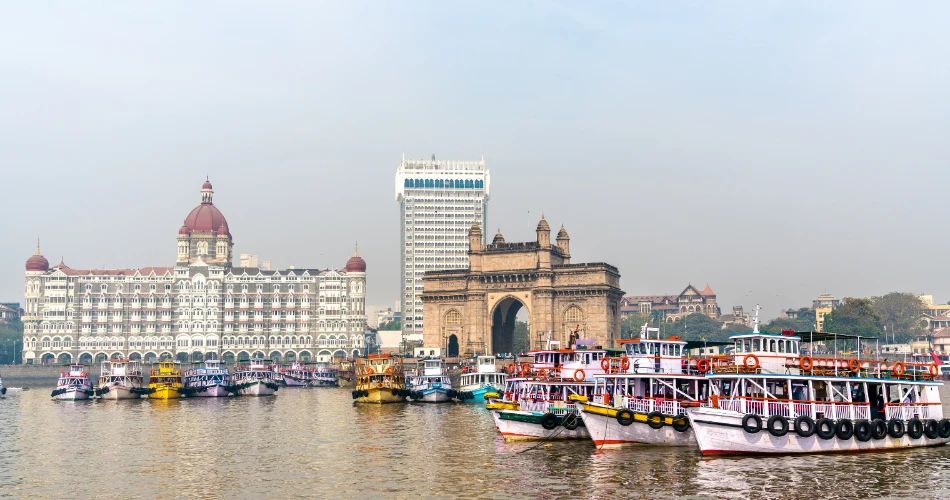
The Taj Mahal Palace Mumbai is not just a luxury hotel—it is a living storybook of Mumbai’s cultural and architectural journey. Situated right next to the Gateway of India and overlooking the Arabian Sea, it has been an integral part of the city’s skyline since its opening in 1903. For over a century, it has combined heritage with world-class hospitality, attracting leaders, celebrities, and travelers from across the world.
More than an accommodation, it represents the spirit of Mumbai: resilient, grand, and welcoming. Tourists often stop at its façade for photographs, while guests step into an atmosphere filled with chandeliers, historic paintings, and timeless architecture. For many, visiting Mumbai feels incomplete without experiencing the Taj Mahal Palace—whether for a night’s stay, a cup of tea at the Sea Lounge, or a heritage walk through its storied halls. It remains one of the best examples of how tradition and modern luxury can blend seamlessly.
The History Behind Taj Mahal Palace Mumbai
The Taj Mahal Palace Hotel was the brainchild of Jamsetji Tata, the visionary industrialist who laid the foundation for the Tata Group. At a time when India was still under British colonial rule, Tata dreamed of a hotel that would showcase Indian excellence and compete with the finest establishments in the world. Construction began in 1898, and after years of planning and dedication, the hotel opened its doors in December 1903.
One legend suggests that Tata was denied entry into a European-owned hotel, which motivated him to create one that welcomed everyone. While historians debate this, what is certain is that the Taj was revolutionary for its time. It introduced India’s first licensed bar, India’s first all-day restaurant, and even the city’s first elevator. Through the decades, it has been witness to colonial banquets, Independence-era gatherings, and visits from global dignitaries.
The hotel’s history is not just about luxury; it reflects India’s journey from colonial rule to independence, making it a proud symbol of heritage.
Architectural Marvel: A Fusion of Styles
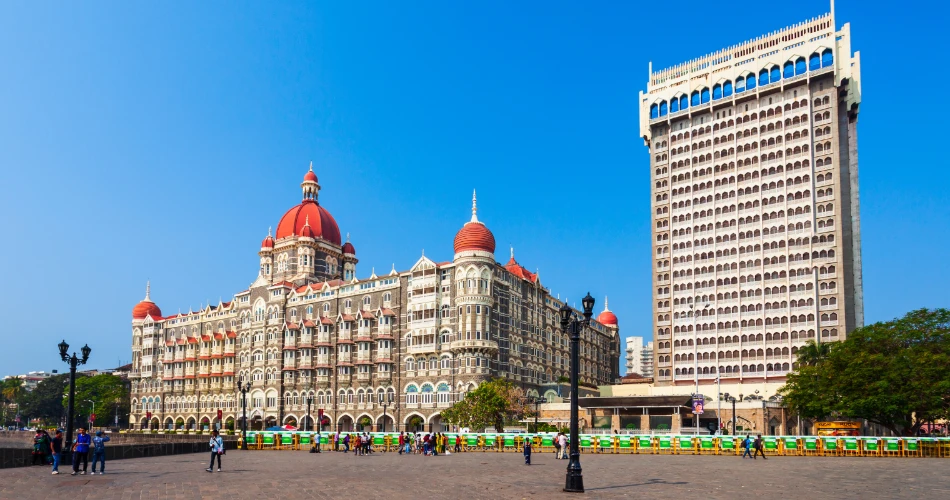
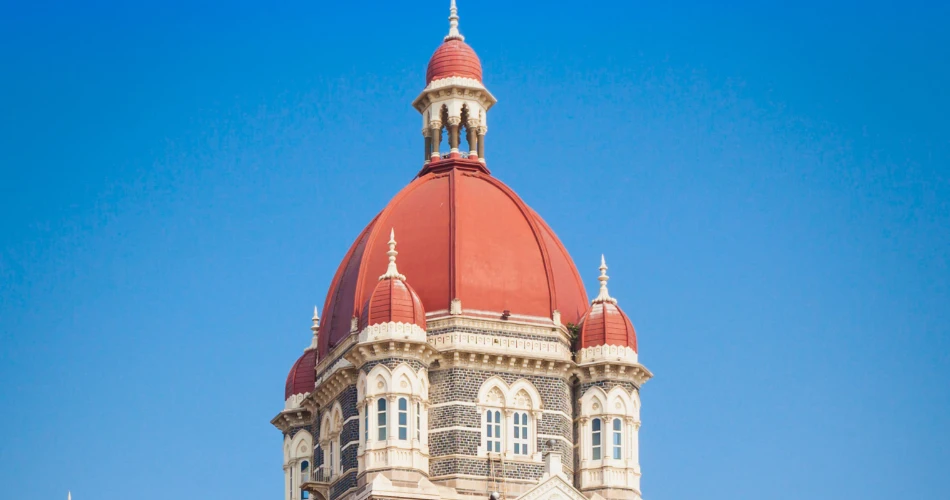
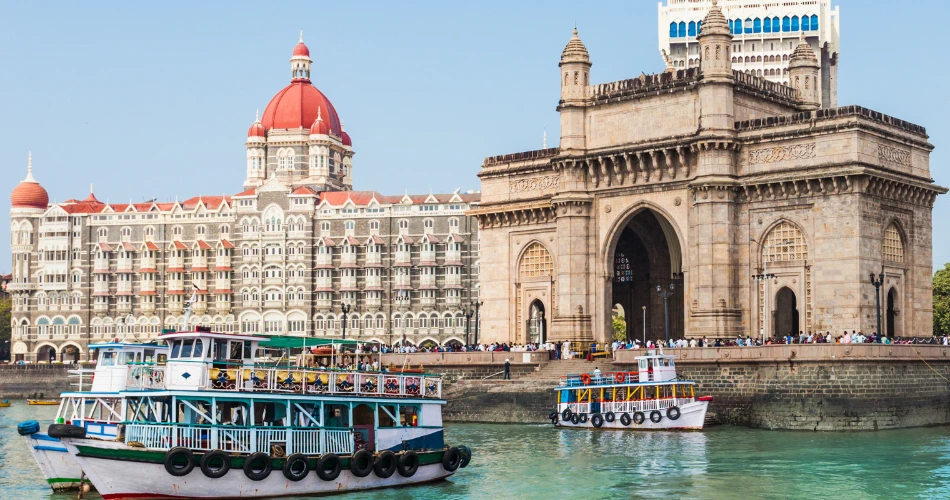
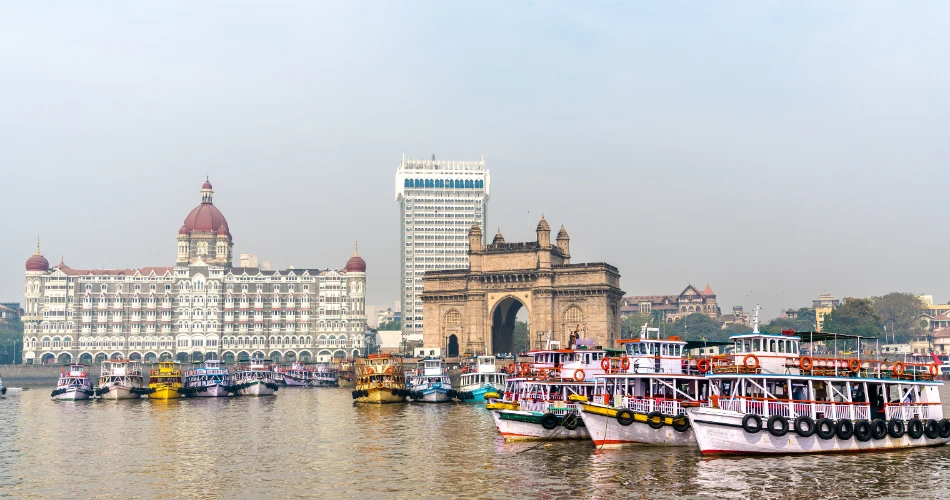
The Taj Mahal Palace Mumbai is often described as an architectural jewel. Its design is a harmonious mix of Indo-Saracenic, Islamic, Renaissance, and Victorian Gothic styles, making it one of the most unique buildings in India. The central dome—soaring high above the Arabian Sea—remains its most iconic feature, and photographs of the dome have become synonymous with Mumbai’s skyline.
The red Florentine dome, grand arched windows, and marble corridors reflect the creativity of architect Sitaram Khanderao Vaidya and D.N. Mirza, who completed the design. Inside, visitors are greeted with Belgian chandeliers, grand staircases, hand-painted ceilings, and mosaic floors. Each corner seems to narrate a story—whether it’s the antique furniture, Persian carpets, or rare artworks displayed in its halls.
Even today, the hotel retains its old-world grandeur while being carefully modernized. The balance between preserving heritage and embracing innovation makes the Taj a true marvel. For architecture enthusiasts, a walk around the hotel’s façade and interiors feels like stepping into a museum of global design influences.
Cultural Significance and Iconic Guests
Beyond architecture, the Taj Mahal Palace Mumbai has served as a cultural hub for over a century. It has hosted countless international celebrities, political leaders, and even artists who have left their mark on history. Mahatma Gandhi and Jawaharlal Nehru once met here during India’s independence movement. Later, world leaders like Barack Obama, Bill Clinton, and the Duke and Duchess of Cambridge made it their home during visits to India.
The hotel has also been a favorite among artists and musicians. The Beatles stayed here during their India tour, while actors and filmmakers continue to frequent its suites and restaurants. With its ballrooms and banquet halls, it has hosted fashion shows, cultural exhibitions, and charity galas, turning it into a landmark of social and cultural exchange.
Its significance lies not only in its luxury but also in the way it embodies Mumbai’s cosmopolitan spirit. It stands as a gathering place where cultures meet, ideas exchange, and history is written every day.

A Symbol of Resilience: The 2008 Attacks
The Taj Mahal Palace is not only remembered for luxury but also for its resilience. During the tragic terrorist attacks in November 2008, the hotel was one of the primary targets. The world watched in shock as fire and smoke engulfed parts of the palace. Several staff members displayed extraordinary bravery—risking and even sacrificing their lives to protect guests.
The attack left parts of the hotel severely damaged, but the response from the Tata Group and the people of Mumbai was inspiring. Within months, restoration work began, and by 2010, the hotel was reopened in its full grandeur. The restored interiors retained their original splendor, showcasing the commitment to preserving heritage while honoring the memory of those lost.
Today, the Taj Mahal Palace is celebrated not only as a luxury hotel but as a global symbol of resilience. It demonstrates the spirit of Mumbai—rising stronger after adversity and never losing its welcoming heart.
Luxury Experiences Inside the Palace
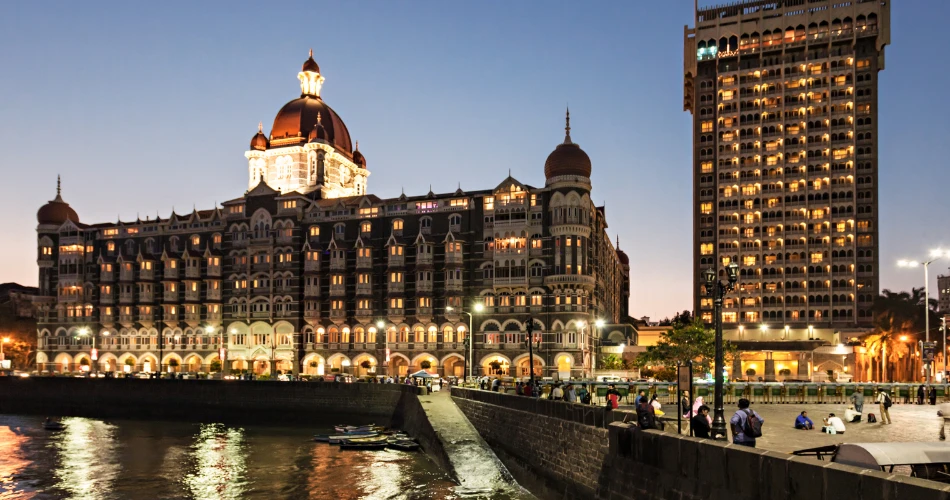
Staying at the Taj Mahal Palace Mumbai is more than just an overnight experience—it is stepping into a world of timeless luxury. With 285 rooms and suites, the hotel offers panoramic views of the Arabian Sea and the Gateway of India. Each suite is designed with a mix of Indian tradition and modern amenities, ensuring guests feel both comfort and heritage.
The hotel’s culinary scene is another highlight. From Wasabi by Morimoto, serving Japanese delicacies, to the Golden Dragon, offering authentic Chinese flavors, and the Sea Lounge, perfect for a heritage-style afternoon tea, every dining experience is unique. The Jiva Spa introduces guests to Indian wellness traditions, while the outdoor pool and royal ballrooms add to the indulgence.
Over the years, the palace has become a dream venue for destination weddings, corporate events, and film shoots. Whether for a luxurious vacation, a once-in-a-lifetime celebration, or simply soaking in Mumbai’s history, the Taj offers experiences that remain unforgettable.
Visiting Taj Mahal Palace: A Traveler’s Guide
For travelers, the Taj Mahal Palace Mumbai is an essential stop. Located in the bustling Colaba district, right beside the Gateway of India, the palace is at the heart of Mumbai’s cultural and tourist circuit. Even if you’re not staying overnight, the hotel offers several ways to experience its grandeur. Heritage walks inside the palace are a must for history and architecture lovers, while the Sea Lounge provides the perfect spot to sip tea with panoramic sea views.
The hotel also has a shopping arcade featuring luxury brands, jewelry, and souvenirs, making it a unique destination for shoppers. For visitors, the best time to explore the Taj is from November to February, when Mumbai’s weather is pleasant and the Arabian Sea provides a stunning backdrop.
Whether you’re capturing photographs of the iconic façade, indulging in fine dining, or booking a suite for a luxury stay, the Taj Mahal Palace guarantees memories that will last a lifetime.
Conclusion: Mumbai’s Eternal Jewel
The Taj Mahal Palace Mumbai is more than a five-star hotel—it is Mumbai’s eternal jewel, reflecting history, architecture, resilience, and cultural pride. From Jamsetji Tata’s dream in 1903 to hosting global icons and surviving the 2008 attacks, the palace has witnessed it all.
Today, it continues to inspire travelers with its unmatched hospitality, iconic architecture, and rich legacy. For anyone visiting Mumbai, experiencing the Taj Mahal Palace is like connecting with the very soul of the city. It is not just a stay—it is an encounter with history, culture, and luxury woven together in one unforgettable landmark.
Whether admired from the outside or experienced from within, the Taj Mahal Palace will always remain a timeless symbol of Mumbai’s grandeur.