

Introduction: The Iconic Landmark of Mumbai
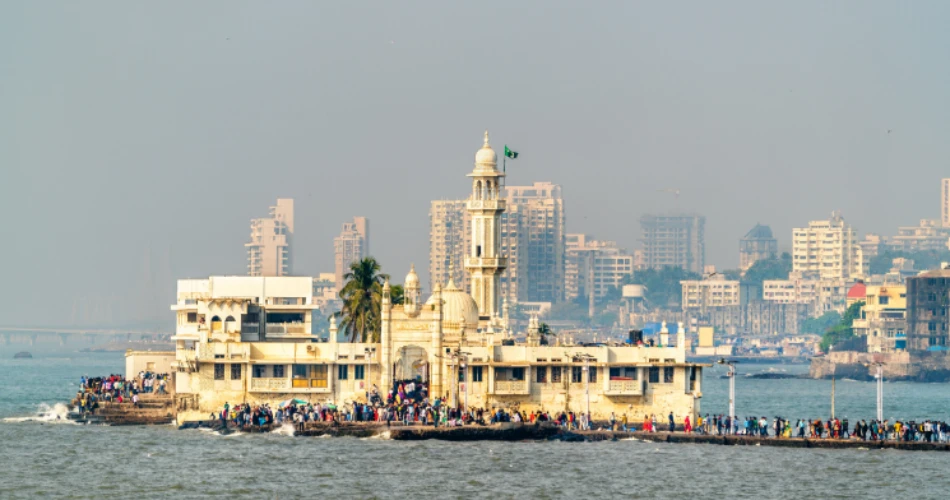
Standing tall against the waves of the Arabian Sea, Haji Ali Dargah is not just a monument; it’s a spiritual and cultural landmark of Mumbai. Known for its stunning Indo-Islamic architecture and deep spiritual significance, the shrine welcomes millions of devotees and tourists each year. Built in the 15th century, it holds the tomb of the revered Sufi saint, Pir Haji Ali Shah Bukhari, and continues to inspire faith across religions. Its location, accessible only through a causeway during low tide, adds to its charm and mystique.
The shrine is not just about religious devotion; it’s also about Mumbai’s identity. With its white domes shimmering in the sunlight and a history that speaks of sacrifice and spirituality, the Haji Ali Dargah has become a must-visit destination for anyone exploring Mumbai.
History of Haji Ali Dargah
The Haji Ali Dargah traces its origins back to the 15th century. Legend has it that Haji Ali Shah Bukhari, a wealthy merchant from Bukhara (in present-day Uzbekistan), renounced his worldly possessions after a spiritual awakening. Choosing to dedicate his life to Islam and Sufism, he embarked on a pilgrimage to Mecca. While traveling, he fell ill near Mumbai and instructed that his body be cast into the sea. Miraculously, his casket floated back to the shores of Worli, where the shrine was later constructed in his honor.
This rich history highlights themes of sacrifice, spirituality, and divine connection. The Dargah has since become a site where people from all walks of life seek blessings. Its history also reflects Mumbai’s openness and diversity, with devotees belonging to multiple religions visiting the shrine.

Architectural Marvel: Indo-Islamic Beauty
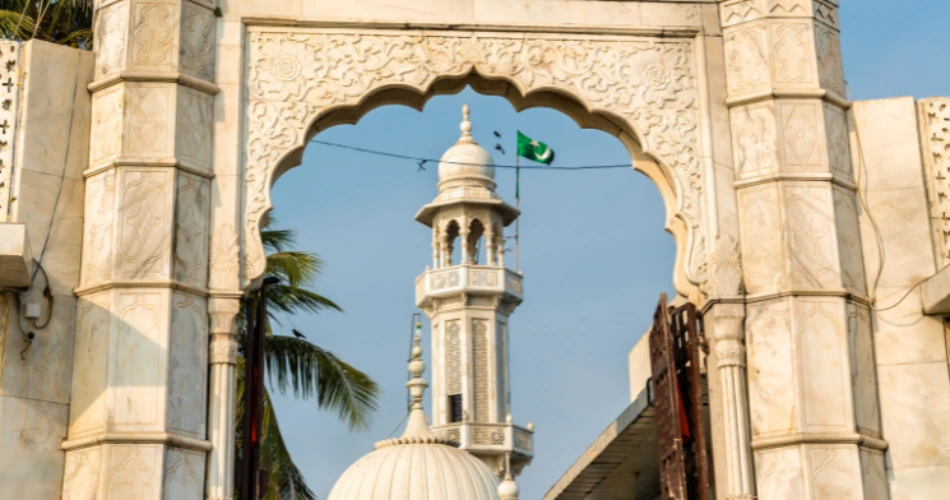
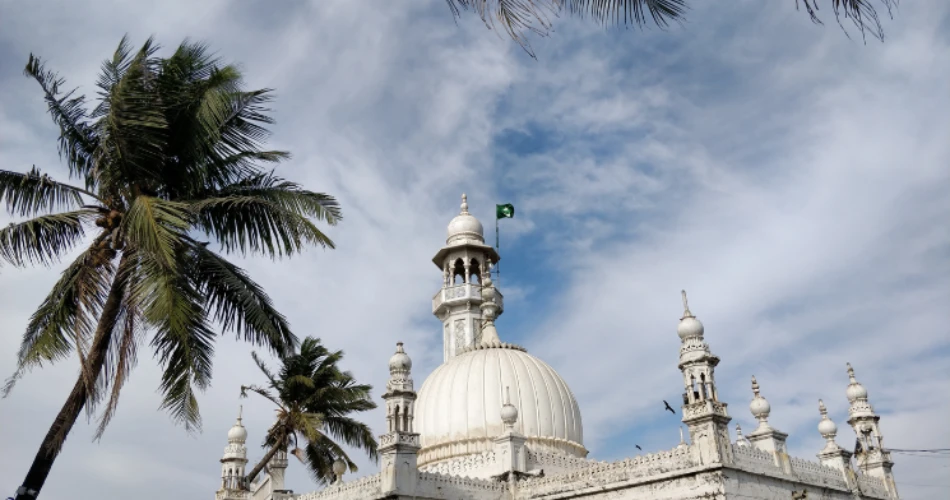
The architecture of Haji Ali Dargah is a splendid example of Indo-Islamic artistry. Built with white marble, the structure combines Mughal, Islamic, and Indian influences. The mosque and dargah are housed within a single complex, with the central dome standing as the most recognizable feature. Delicate jaali (lattice) work, intricate arches, and stunning chandeliers decorate the interiors, creating a serene ambiance.
The main shrine, surrounded by a marble courtyard, is adorned with exquisite mirror work. Quranic inscriptions on the walls reflect devotion and artistry combined. Despite being surrounded by the salty sea air, the structure has withstood centuries of environmental challenges, a testament to both craftsmanship and divine blessing.
The Spiritual Significance of the Dargah
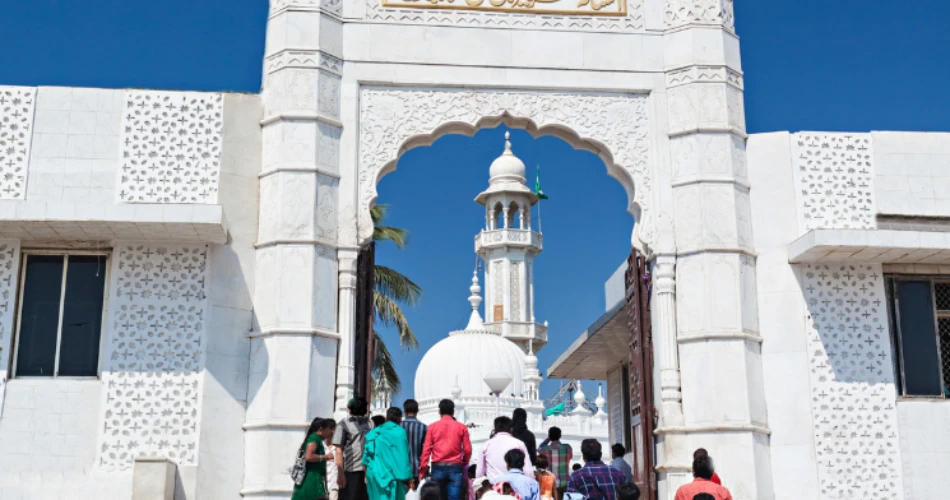
For devotees, the Haji Ali Dargah is not just a structure but a beacon of faith. It represents Sufism’s teachings of love, compassion, and equality. The shrine is open to everyone, regardless of caste, creed, or religion. Pilgrims believe that offering prayers at the dargah can bring peace, blessings, and healing.
Every day, thousands of people visit the shrine, tying threads of hope, seeking spiritual solace, or simply finding peace in the rhythmic sound of waves. Fridays are especially significant, with qawwalis (devotional songs) filling the air, enhancing the spiritual atmosphere. The Dargah symbolizes Mumbai’s secular spirit, where faith transcends boundaries.
The Causeway Journey: Path to Devotion
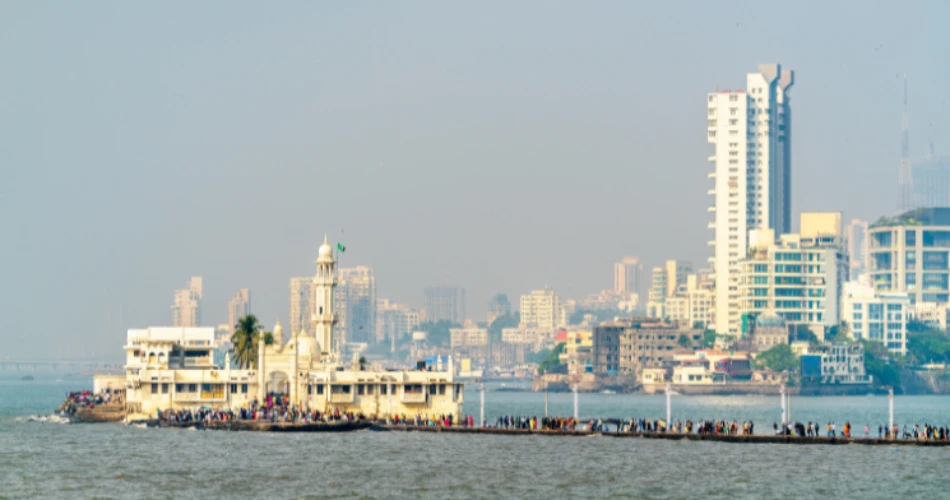
One of the most unique aspects of the Haji Ali Dargah is its causeway. Stretching about 500 yards, this narrow path connects the shrine to the mainland. The journey itself is symbolic—walking through the sea, devotees are reminded of faith, patience, and the transient nature of life.
During high tide, the causeway submerges, making the shrine inaccessible. This phenomenon adds to the mystique, as visitors must carefully time their visits. Watching the sunset from the causeway with the Dargah in view is an unforgettable experience for tourists and locals alike.
Festivals and Qawwali Evenings
Festivals at Haji Ali Dargah are celebrations of faith, culture, and unity. The Urs (death anniversary) of Haji Ali Shah Bukhari is the most important event, drawing thousands of devotees. The shrine is illuminated beautifully, and special prayers are offered.
Qawwali performances, a hallmark of Sufi tradition, are another highlight. These soul-stirring musical gatherings bring people together, blending spirituality with culture. Listening to qawwals under the open sky, with the Arabian Sea as a backdrop, is an experience that lingers long after.
Visiting Haji Ali Dargah: Tips for Travelers
For travelers, visiting the Haji Ali Dargah is both a spiritual and cultural experience. The shrine is located in Worli, Mumbai, easily accessible from major parts of the city. Here are some essential tips:
-
Best time to visit: Early morning or evening, especially during low tide.
-
Dress code: Modest attire is recommended out of respect for the sanctity of the shrine.
-
Photography: Limited in certain areas, so seek permission before capturing.
-
Local attractions nearby: Worli Sea Face, Mahalaxmi Temple, and Marine Drive.
A visit here combines devotion, history, and stunning views, making it a highlight of Mumbai tourism.

Conclusion: A Shrine Beyond Boundaries
The Haji Ali Dargah is more than a monument; it is a story of faith, sacrifice, and unity. Rising majestically amidst the Arabian Sea, it continues to inspire millions with its spiritual energy and architectural beauty. For Mumbai, it is not only a religious landmark but also a cultural symbol, reflecting the city’s diversity and resilience.
Whether you seek spiritual solace, architectural admiration, or simply a glimpse of Mumbai’s heritage, Haji Ali Dargah offers it all. It is a shrine that transcends religion, uniting people with love, devotion, and peace.